Industry News
.jpg)
Historic Drought Leaves Europe's Supply Chains High and Dry
As Europe deals with the fallout of record summer heat and rivers that have fallen to their lowest levels ever, the bloc's economies face the alarming prospect that this extreme weather has become the norm.
“This summer’s heat and drought were a catastrophe for millions of people and for the economy,” said Greenpeace Germany financial expert Mauricio Vargas. “Even though this natural disaster did not leave behind piles of rubble, the scale of the damage is staggering."
Europe relies on its inland waterways to transport roughly 473 million tonnes of goods each year. The drought that Europe is currently experiencing has driven water levels to record lows at several key chokepoints along the Rhine River, which typically carries 70% of Europe's inland waterway freight annually. As Europe's most important freight river, it serves as an vital artery for petroleum, chemicals, construction materials and other bulk commodities.
When a drought lowers water levels along the Rhine, it reduces the payload of small barges, and large barges can't operate at all. That means that vessels carry less cargo per trip, forcing shippers to switch to rail and trucking networks that lack the capacity to make up the difference.
“To replace one barge, you need between 100 and 200 trucks,” says Dr. Elena Maksimovich, CTO and head of climate data with climate risk consultancy Everloop. “That kind of [extra] capacity simply doesn’t exist.”
The 700-kilometer Rhine corridor that stretches from the Port of Rotterdam in the Netherlands to the German-Swiss border accounts for 40% of Germany's river freight, and just a single month of low water levels can lead to a 1% decline in the country's industrial production, the Kiel Institute for the World Economy estimates. Following this year's historic heat wave, Germany suffered at least €36 billion ($41.7 billion) in economic damage, according to an analysis from Greenpeace, while the German Economic Institute is predicting an 0.4% drop in gross domestic product for the year compared to 2025.
As it stands right now, Maersk is warning that most of the Rhine's inland ports can no longer be reached by barge, while Germany's federal inland shipping coalition is reporting that ships have been able to take on less than a quarter of their usual cargo. German chemical giant Covestro also issued a warning in mid August stating that it can no longer meet certain delivery obligations, given that more than 30% of the company's finished goods depend on inland shipping.
The impacts of Europe's summer drought have extended well beyond freight too. Along the Danube River in Serbia, Romania and Hungary, water levels fell to their lowest point in three decades at the end of July, forcing Hungary and Romania to shut down their river-cooled nuclear reactors for the first time ever.
Dry conditions have also raised the risk of wildfires and dried out soil on farms, reducing crop yields and directly threatening the bread baskets Europe relies on to produce its food supply. The EU's Joint Research Centre has already lowered its yield forecasts for spring and summer crops, cutting its predictions for grain, maize and sunflowers by up to 7%. In France, maize harvests are expected to fall by 35% compared to 2025, The Guardian reports, while French growers have reported production shortfalls of 25% for zucchini, 35% for lettuce, 40% for peas, 60% for broccoli, and between 50% and 100% for artichokes.
In Spain, cereal harvests are down by nearly half in the Madrid region, while roughly 60% of Italy's farmland is experiencing a mild-to-severe drought that has devastated the country's Po River Basin rice belt.
What's particularly concerning is that Europe experienced similar droughts in 2018 and 2022, each of which should have been once-in-a-century weather events based on historical standards, Maksimovich notes. Today, a continent that built out its infrastructure around the weather patterns of the past is confronting conditions those systems were never designed to withstand.
“We need to review the entire infrastructure in Europe — for drinking water, irrigation, energy, everything,” Maksimovich says. “What was supposed to happen once in a hundred years is no longer happening once in a hundred years.”
For businesses, the changing landscape of climate change has made it difficult to find tenable short-term workarounds. Alternative routes can certainly soften an isolated disruption to an extent, but companies can't conjure more trucks, rail capacity or suppliers out of thin air. In the meantime, building resilient networks that reflect today's new reality will take years that many businesses don't have.
“Some brands might simply not recover from this level of disruption, particularly if they depend on a single source,” says Everloop founder and resilience strategist Marina Bradford. “It’s difficult to recover from one climate event before the next one arrives — there are multiple disruptions, and they keep coming."
Source: https://www.supplychainbrain.com/articles/44782-historic-drought-leaves-europes-supply-chains-high-and-dry

RELATED STORIES
.png)
.jpg)
What Is El Niño, and What Does It Mean for Weather, Water, and the Global Economy?
El Niño looks to reach an intensity unpr...
Know More.png)
.png)
The Strait of Hormuz Crisis Is Repricing Freight, Not Just Oil
On September 12, an unidentified vessel was str...
Know More.jpg)
.jpg)
Middle East shipping squeezed as Hormuz and Bab el-Mandeb risks converge
Middle Eastern shipp...
Know More.jpg)
.jpg)
.jpg)
Global trade faces softer demand, tighter capacity
Global manufacturing activity recorded its 12th...
Know More.jpg)
.jpg)
.jpg)
.jpg)
.jpg)
Global Ship Orderbook Growth Hits Fastest Pace Since Pre-Lehman Boom
At 27% year-on-year,...
Know More.jpg)
Chinese Shipper Launches First Cargo Service Through Arctic
Chinese shipper Sea Legend is starting the...
Know More.jpg)
Reactive Supply Chain Strategies Are No Match for Disruption
Extreme weather events, labor shortages, intern...
Know More.jpg)
.jpg)
.jpg)
.jpg)
Water Levels Along Rhine, Danube Rivers Sink to Record Lows
Europe's Rhine River has fallen to record low l...
Know More
The Data Center Boom Has a Component Problem
Strip away the ribbon cuttings and the renderin...
Know More.jpg)
The importance of insurance during the supply chain cannot be ignored.
For decades, cargo criminals followed a familia...
Know More.jpg)
Iran Demands Crew, Cargo Details to Allow Ships Through Hormuz - SupplyChainBrain
Vessels seeking to transit the Strait of Hormuz...
Know More
Iran War Threatens Global Food Supply Chains - SupplyChainBrain
While the Iran war's impact on oil prices has c...
Know More
Maersk Adjusts Emergency Contingency Surcharges Amid Regional Disruptions - SeasNews
Maersk has announced adjustments to its Emergen...
Know More
Container rates climb after weeks of decline - Shipping Watch
The price of container freight from Shanghai to...
Know More
Trump’s Maritime Golden Age could prove costly for shipping - Seatrade-Maritime
With the USTR fees on Chinese built and owned v...
Know More
Yard Bottlenecks Ripple Through Supply Chains in 2026 - SupplyChainBrain
Once an afterthought in supply chain strategy, ...
Know More
MENA set to lead global sustainable aviation fuel market - Technical Review Middle East
The Middle East and North Africa (MENA) region ...
Know More
The New Economics of Warehousing: Flexibility Over Footprint - SupplyChainBrain
The warehousing landscape is undergoing a quiet...
Know More
Retail giants back first e-ammonia boxship - splash247
The Zero Emission Maritime Buyers Alliance (ZEM...
Know More
Shipping lines gear up for post-Red Sea crisis restructure - SeaTrade Maritime
Seatrade Maritime News and MDS Transmodal exami...
Know More
What Peak Season 2024 Taught Us About the New Rules of Holiday Shipping - SupplyChainBrain
Last year’s peak season proved what many ...
Know More
Welcome to the age of uncertainty - splash247
The opening Big Issues session of the Maritime ...
Know More
Jebel Ali Port breaks nine-year record for container volume in July on Cepa deals - The National News
DP World’s Jebel Ali Port has reported it...
Know More
Box rates rates sink to lowest levels since Red Sea crisis - Splash247
Container freight rates are sliding further, wi...
Know More
UN: Trade reset, geopolitics to hurt container trade growth - FreightWaves
Maritime trade is entering a period of fragile ...
Know More
Carriers reroute fleets to sidestep US levy - splash247
Global shipping is realigning fleets in anticip...
Know More
EU Takes Aim at Shein and Temu Over Flood of Unsafe Products - SupplyChainBrain
EU Justice Commissioner Michael McGrath is vowi...
Know More
Second half air cargo volumes depend on market diversification - Air Cargo News
Air cargo demand growth is present outside of t...
Know More
Up to Dhs500,000 fine for firms circumventing Emiratisation targets: Ministry - gulftoday.ae
The Ministry of Human Resources and Emiratisati...
Know More
Shipping in wait-and-see mode as Iran and Israel conflict continues - lloydslist.com
TANKER rates remain elevated, along with the fo...
Know More
Container freight rates fall but Red Sea return will be tipping point - seatrade-maritime.com
The Drewry World Container Index (WCI) shed a f...
Know More
AD Ports Group Opens First Inland Dry Port Facility in Abu Dhabi - transportandlogisticsme.com
AD Ports Group has announced the inaugu...
Know More
Carriers cautious on return to Red Sea as Houthis say they will end attacks - FreightWaves.com
Yemen’s Houthi rebels said they will ceas...
Know More
Have carriers failed to adjust to a new normal? - Seatrade-Maritime
Liner shipping operators are failing to act on ...
Know More
Shippers warned to ensure contingency plans are in place ahead of a potential strike at US East Coast and Gulf Coast ports next week - Container News
Transportation and logistics providers, port op...
Know More
Ships Fleeing the Red Sea Now Face Perilous African Weather - SupplyChainBrain
Ships sailing around the southern tip of Africa...
Know More
The U.S.-China Trade War Heats Up, And Businesses Move to Adjust - -SupplyChainBrain
The “quiet” trade war that has been...
Know More
More ships and more containers needed for 'feverish' box shipping sector - The Loadstar
Supply in container shipping has become “...
Know More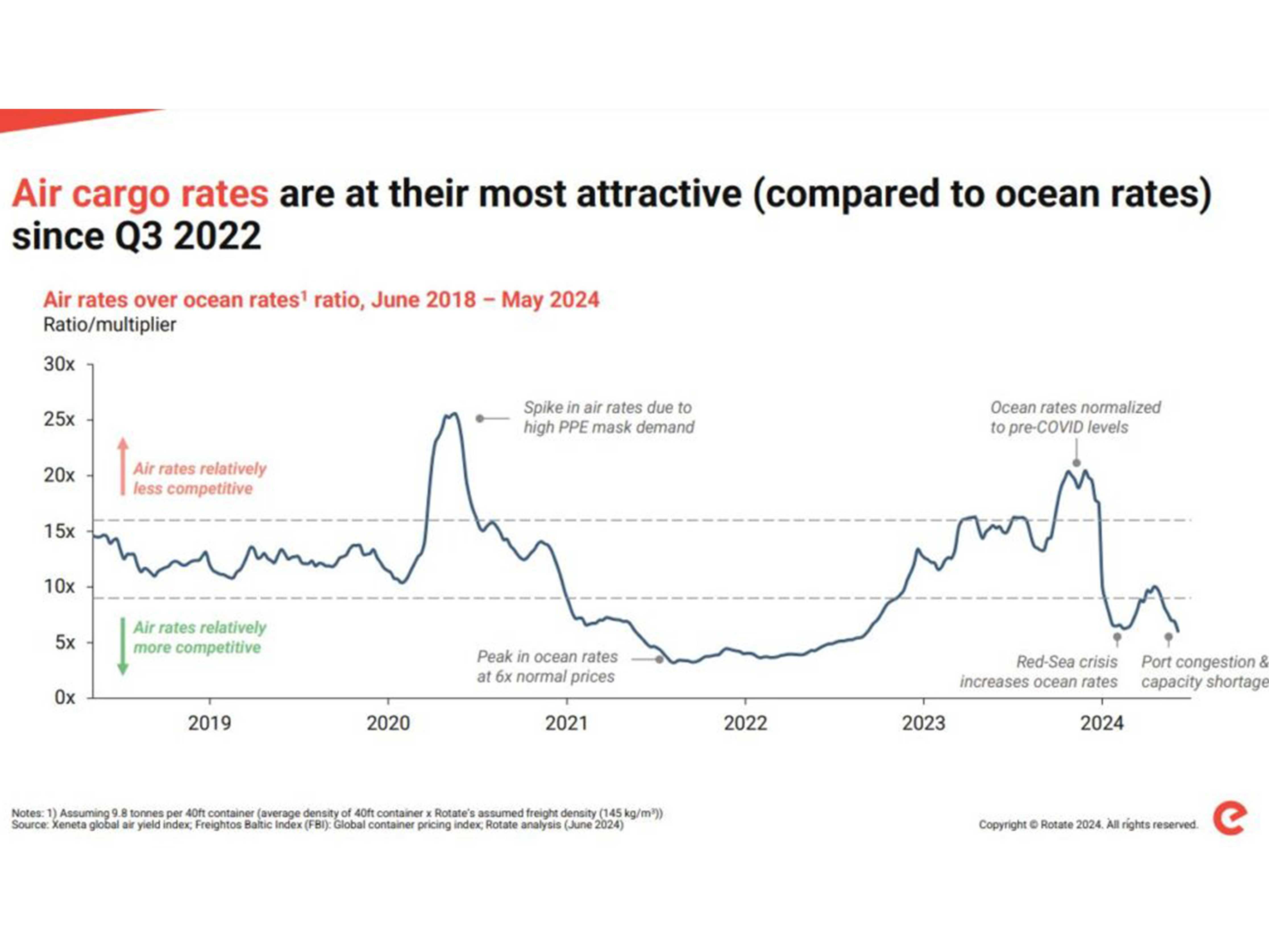
Ocean and airfreight rate differential narrows - Air Cargo News
The difference between ocean and airfreight rat...
Know More
US Demand For Goods From 2 Chinese Firms Sends Air Cargo Rates Soaring - NDTV
Two Chinese companies have turned the global ai...
Know More
Mounting container shortages creating 'total havoc' - The Loadstar
Containers out of northern China are becoming i...
Know More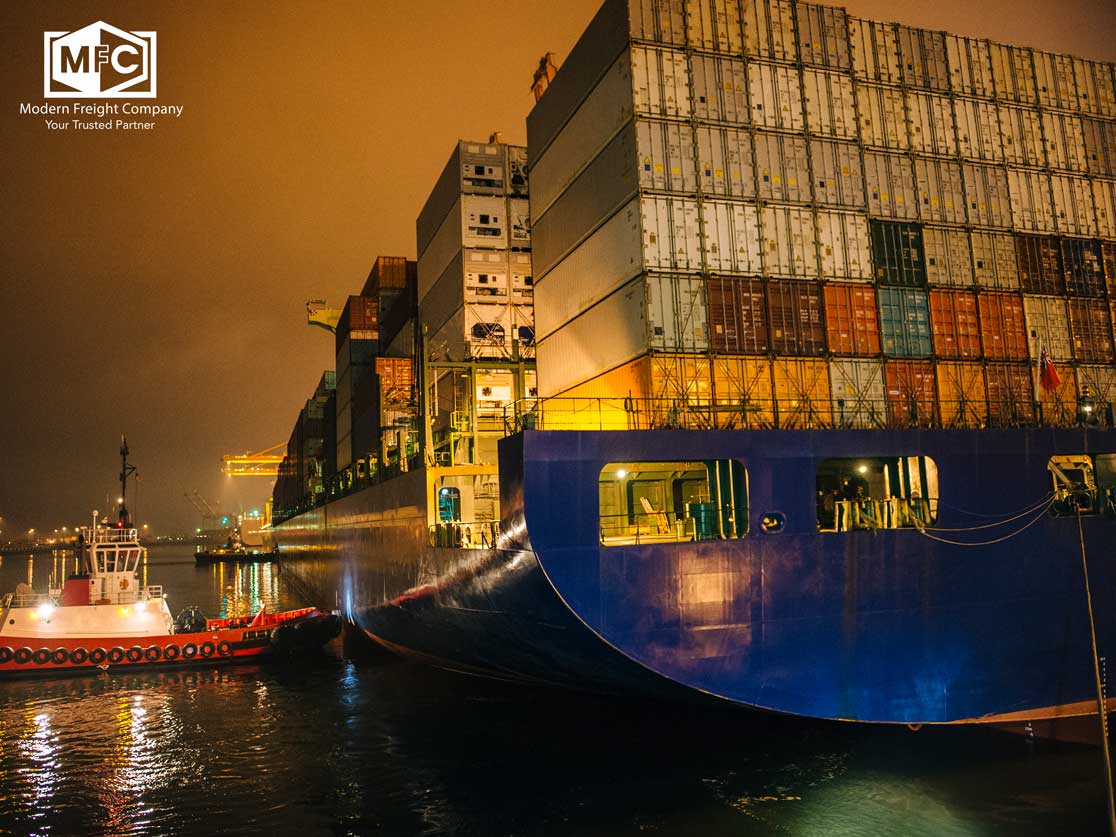
11,100 new slots a day: April smashes records for liner deliveries - Splash247
The teu tsunami coming out of Asian yards shows...
Know More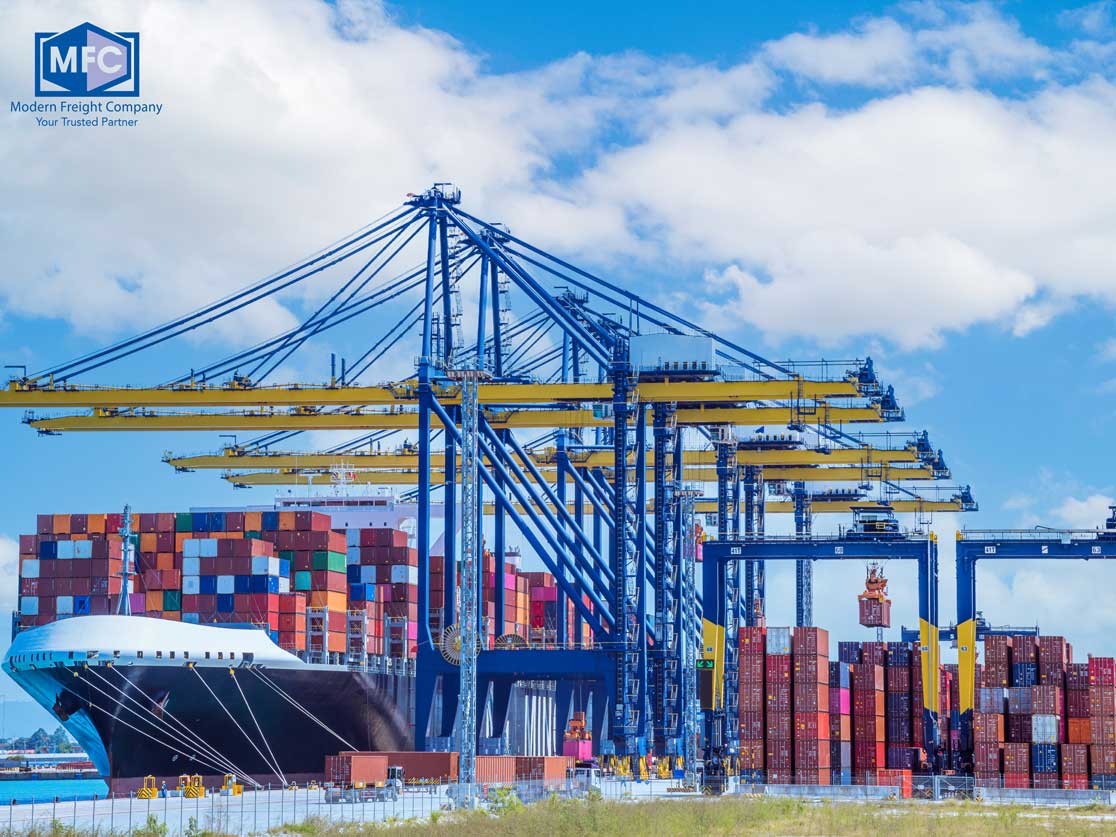
Mixed signals on container freight rates as Red Sea alarm subsides - Seatrade Maritime
Linerlytica, however, reported this week that &...
Know More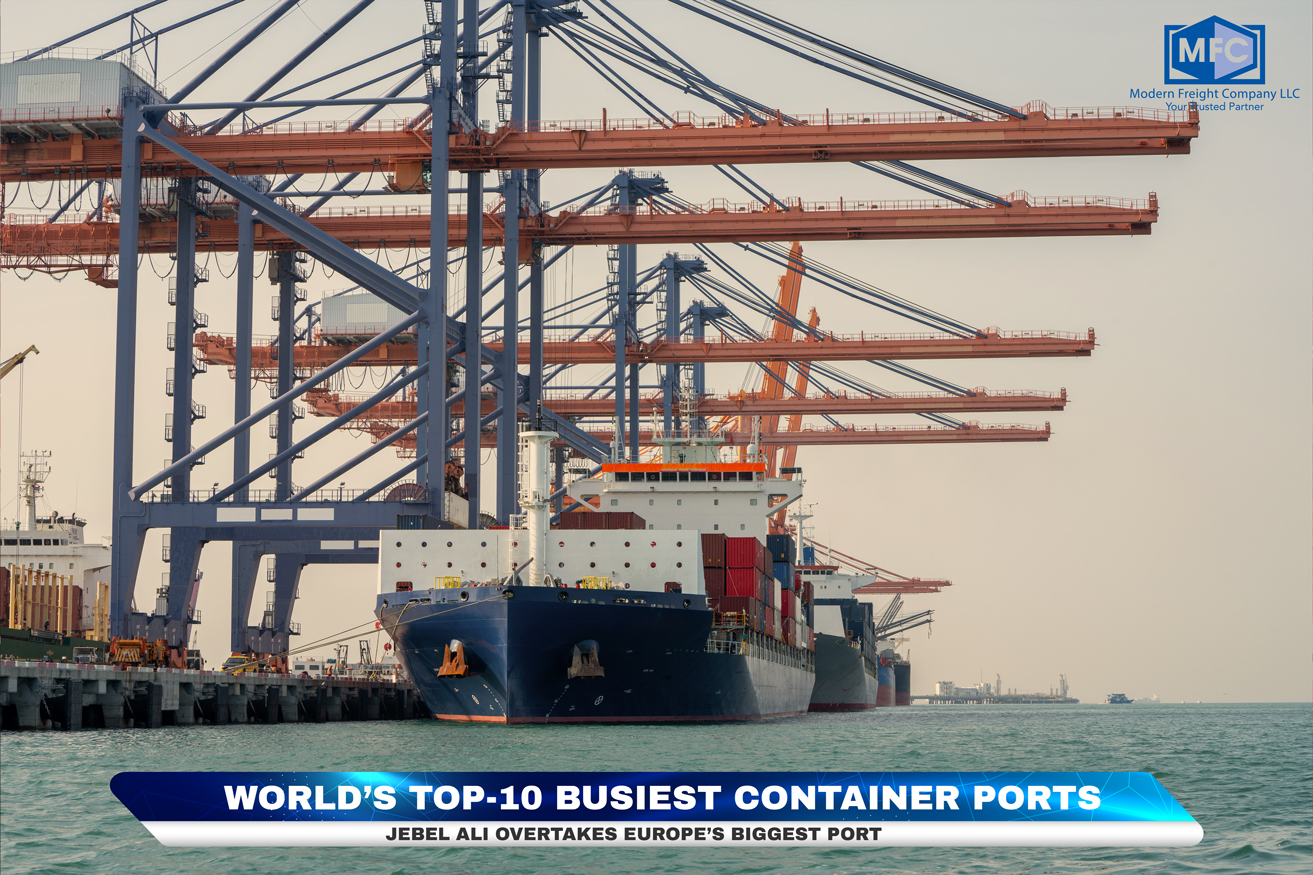
Jebel Ali returns to top-10 busiest container ports - Container News
Alphaliner's report said the Middle East’...
Know More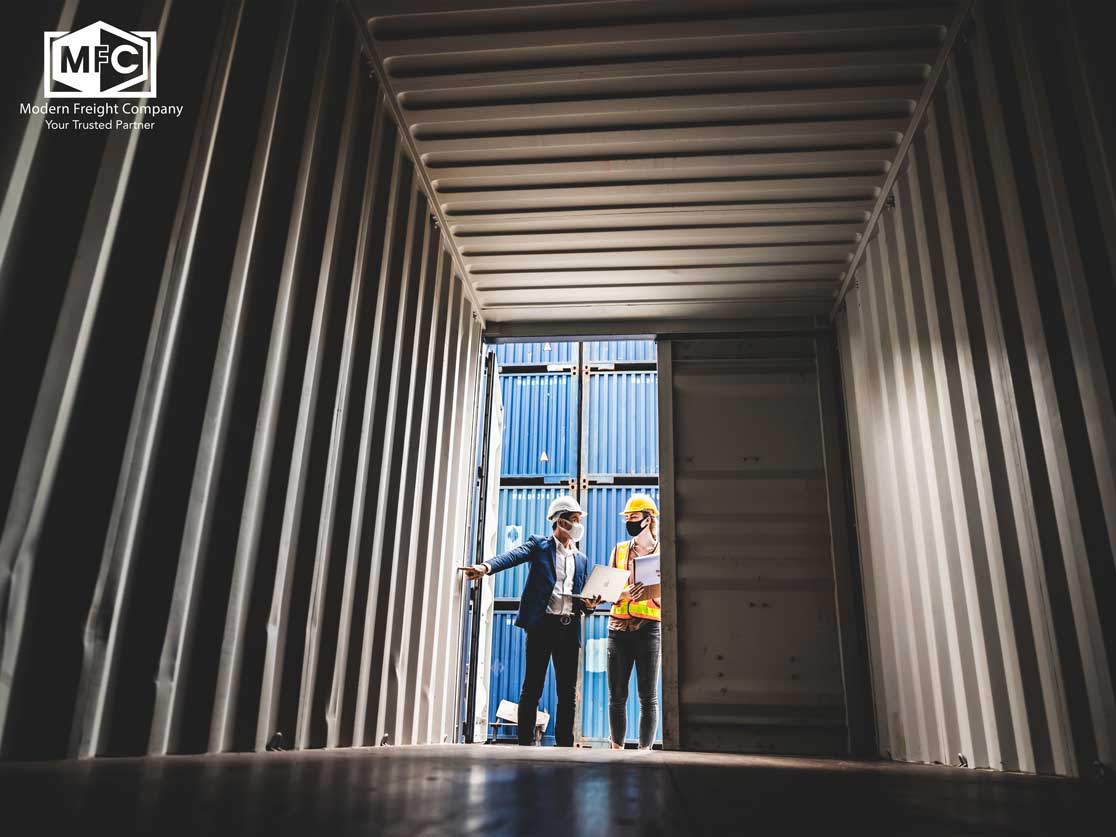
The Evolution of Physical Security Technology in the Supply Chain Industry - SupplyChainBrain
The seamless operation of supply chains, which ...
Know More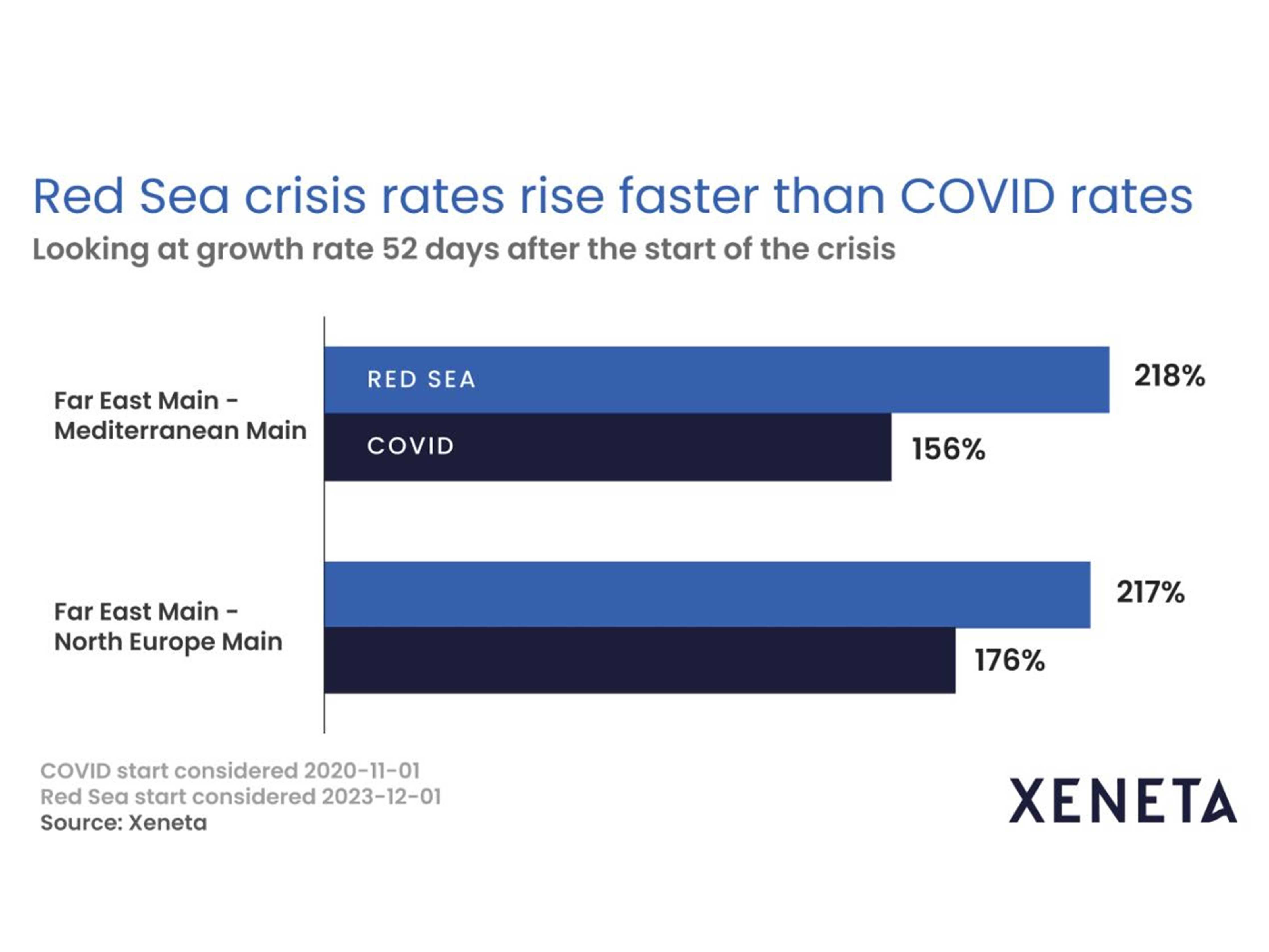
Red Sea crisis impact on box rates more rapid than Covid-19 - Asean Lines
The Red Sea crisis has seen ocean freight rates...
Know More
Freight crime on the up as gangs become more tech-savvy - The Loadstar
Internet-enabled crime and insider involvement ...
Know More
High demand, low supply: Dubai faces warehouse shortage amid new business influx - Logistics Middle East
Dubai is facing a shortage of warehouse space, ...
Know More
VGM container weight mis-declaration 'rampant at most ports', say forwarders - The Loadstar
Container carriers are dealing with widespread ...
Know More
CMA CGM announces overweight surcharge from Middle East Gulf to Europe and Mediterrannean - Container News
CMA CGM announced it will implement a new overw...
Know More
Bleak outlook for box trades as demand weakens prior to Golden Week - The Loadstar
Export bookings leading up to China’s Gol...
Know More
Ship queue grows at both ends of Panama Canal and congestion builds - The Loadstar
Draught limits on vessels seeking passage throu...
Know More
Over 60% of Logistics Companies Are Investing in Supply Chain Management Systems-SupplyChainBrain
Almost two-thirds of logistics companies (64%) ...
Know More
Growing India-UAE trade flows to benefit from domestic currency invoicing - The Loadstar
After a free trade deal last year, India and th...
Know More
Air cargo market still weakening while players search for optimism - The Loadstar
News that airlines are starting to park some fr...
Know More
Box rates to Gulf and S America rise as Asia-Europe/US prices falter - The Loadstar
Container freight rates from China to ’em...
Know More
Up to Dh5,000 fine for owners of some vehicles who fail to register in tracking system before October 30 - Khaleej Times
The Federal Authority for Identity, Citizenship...
Know More
Plot a (positive) course for air freight rates...if you dare - The Loadstar
Amidst the economic doom and gloom, with claims...
Know More
Imports Continue Slow Climb Despite Cuts in 2023 Forecast - The Maritime Executive
The Global Port Tracker has not yet forecast th...
Know More
Some ocean trades stabilising, but transatlantic rates still falling - The Loadstar
Container spot rates from North Europe to the U...
Know More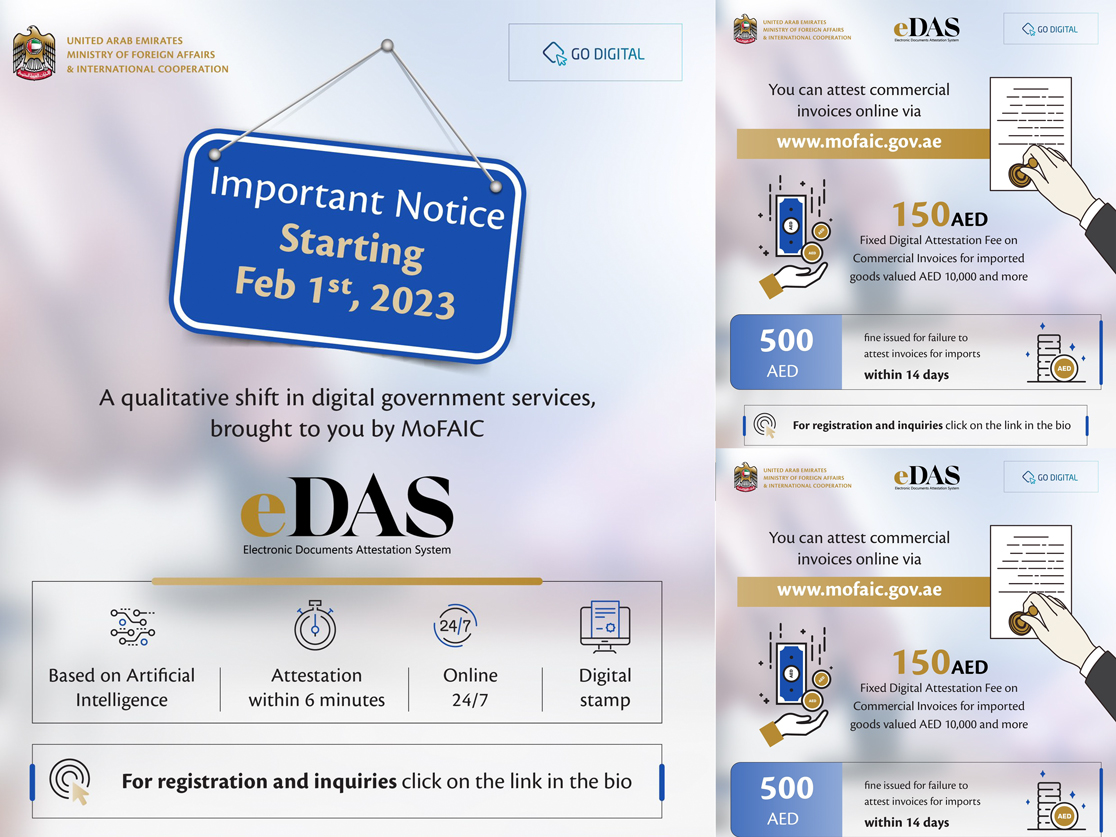
UAE announces fees on international imports in 2023 - Arabian News
The UAE is set to introduce new import rules, s...
Know More
China's Lockdowns are Over, but its Shipping Outlook is Still Mixed- The Maritime Executive
Beijing’s on-and-off COVID lockdowns crea...
Know More
Ocean carriers plan to blank half their sailings from Asia, post-CNY - The Loadstar
Against a background of extremely weak demand f...
Know More
Airfreight loses as shippers switch to cheaper ocean routes to save costs - The Loadstar
Shippers are merrily switching modes, back to s...
Know More
Protests at China lockdowns spread, with supply chains looking vulnerable again - The Loadstar
Anti-lockdown protests have broken out across m...
Know More
Air cargo peak season evaporates on low demand, higher capacity
It’s the time of year when retailers typi...
Know More
Black Sea ro-ro operations adapt to the new normal as companies seek opportunities - The Load Star
War in Ukraine has forced the re-routing of car...
Know More
Port of Felixstowe strike could see air cargo demand rise further: Air Cargo News
Strike action at the UK’s biggest contain...
Know More
Why container ships probably won't get bigger: BBC
When the Ever Ace, one of the largest container...
Know More
Consumers Prefer Personal Touch, Predictability, Over Super-Fast Delivery
To successfully ride the bucking growth of e-co...
Know More
Air freight 'turned upside down' as capacity slumps and rates climb
Air freight capacity has indeed shrunk, accordi...
Know More
Robotics in Warehouses- Enabling smarter and more cost-efficient logistics
Warehouses are the heart of supply chains and a...
Know More
DP World reports strong volume growth of 17.1% in 2Q 2021
DP World Limited handled 19.7 million TEU (twen...
Know More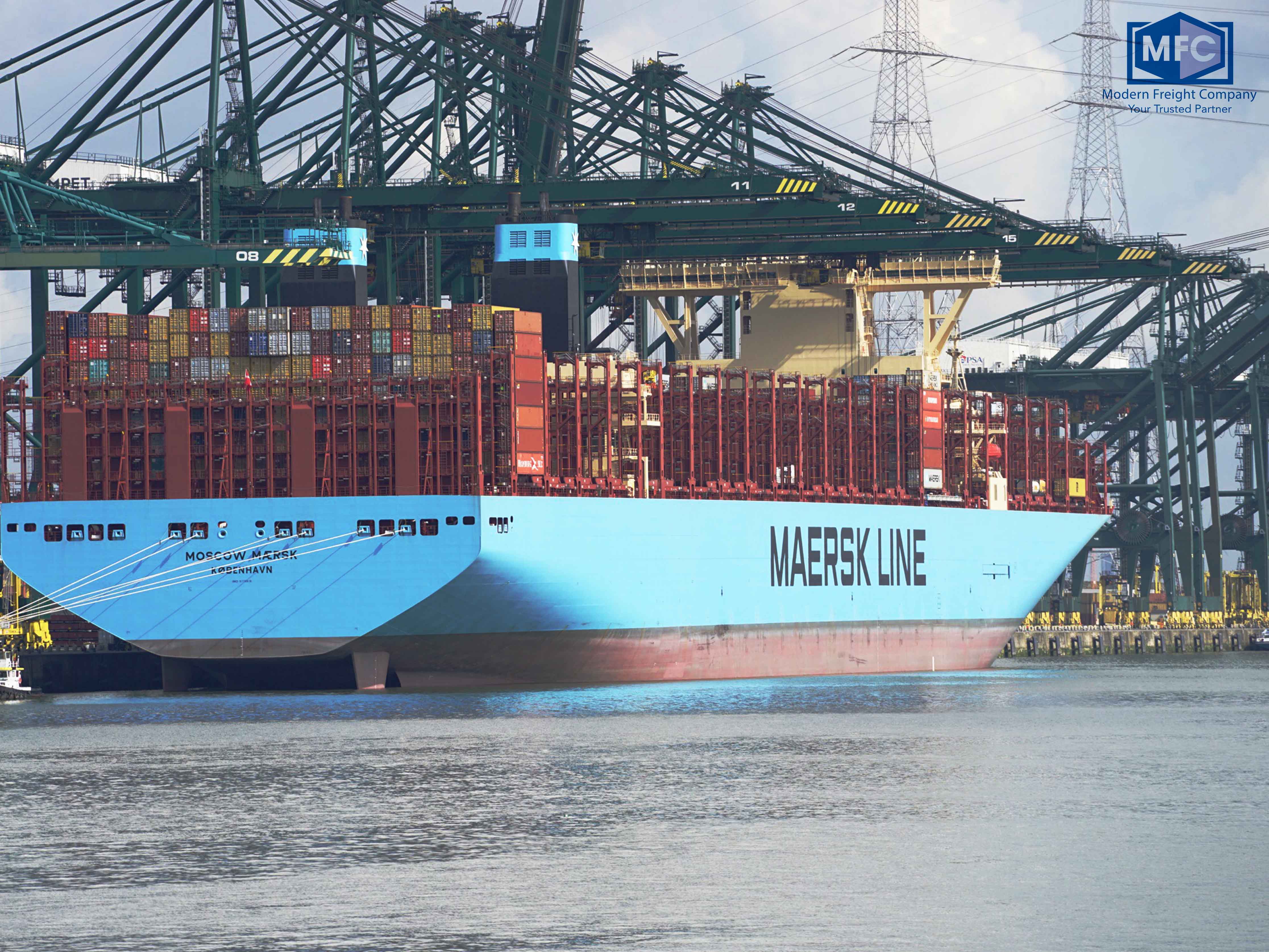
Maersk to redesign its ocean network in West & Central Asia
Maersk is redesigning its ocean network in West...
Know More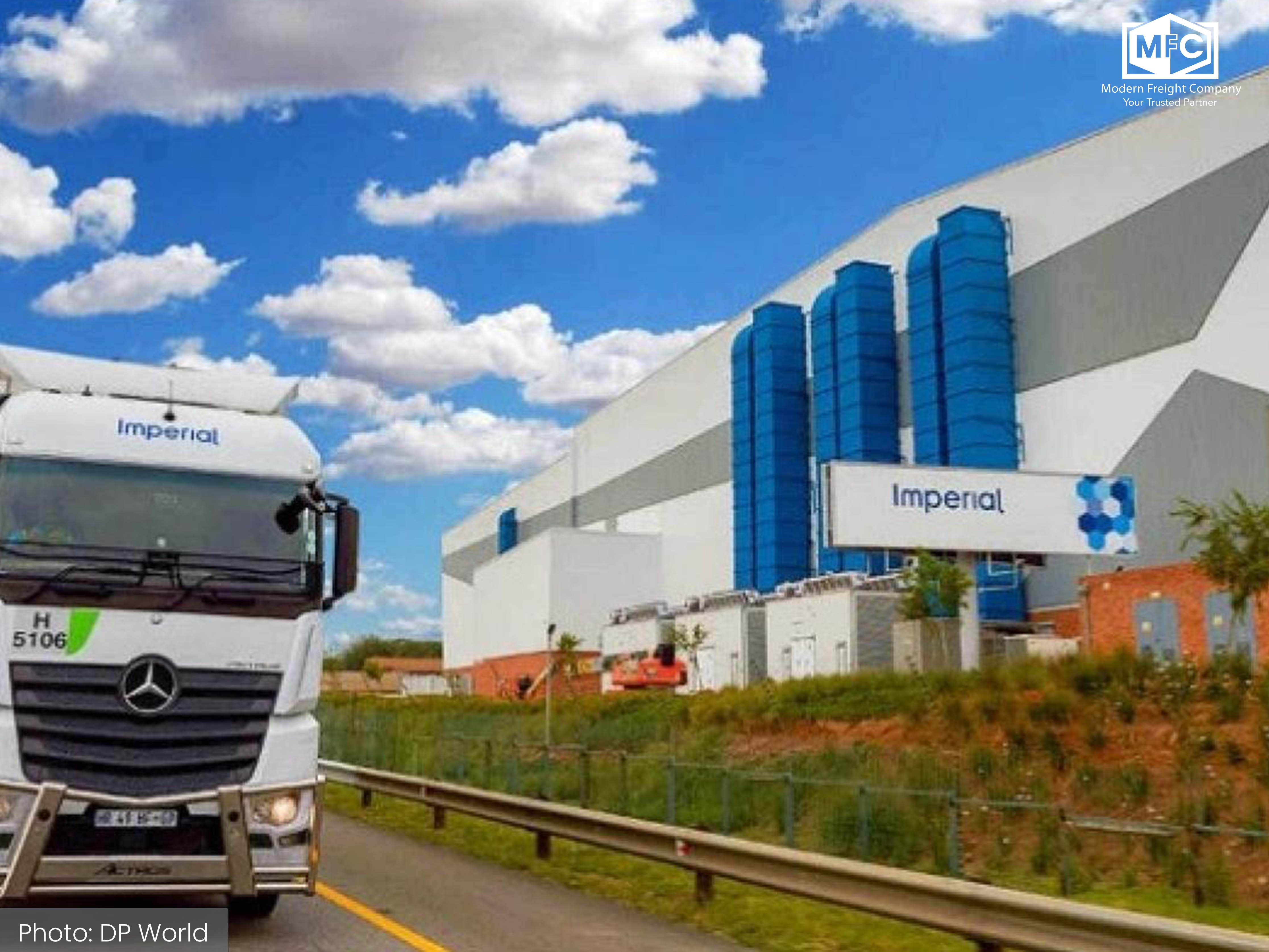
DP World acquiring Imperial Logistics for $890m expanding Africa footprint
DP World has announced an offer to acquire Sout...
Know More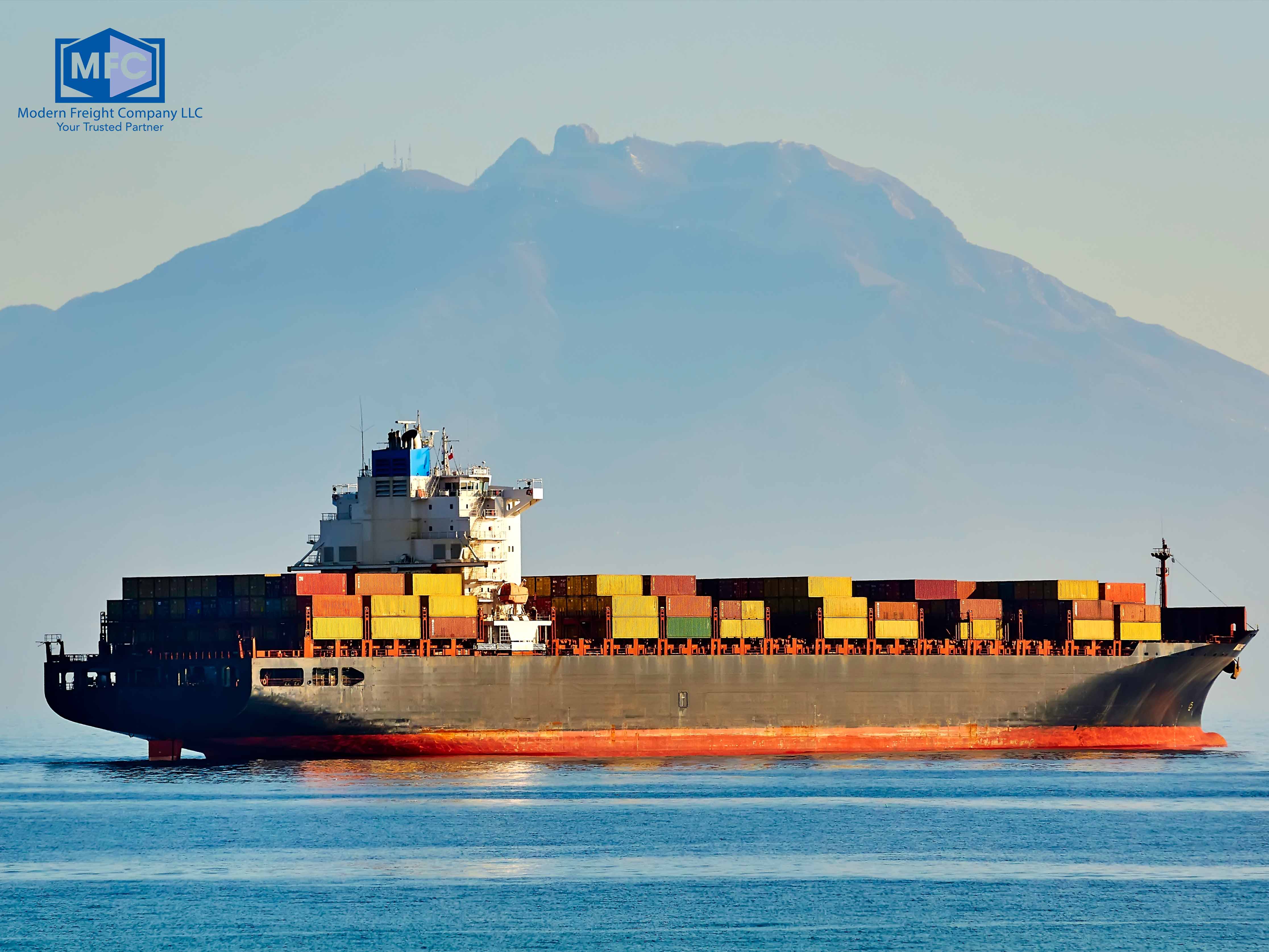
Secondhand Containership Market Heats up in 2021 driven by demand
Skyrocketing container shipping freight rates a...
Know More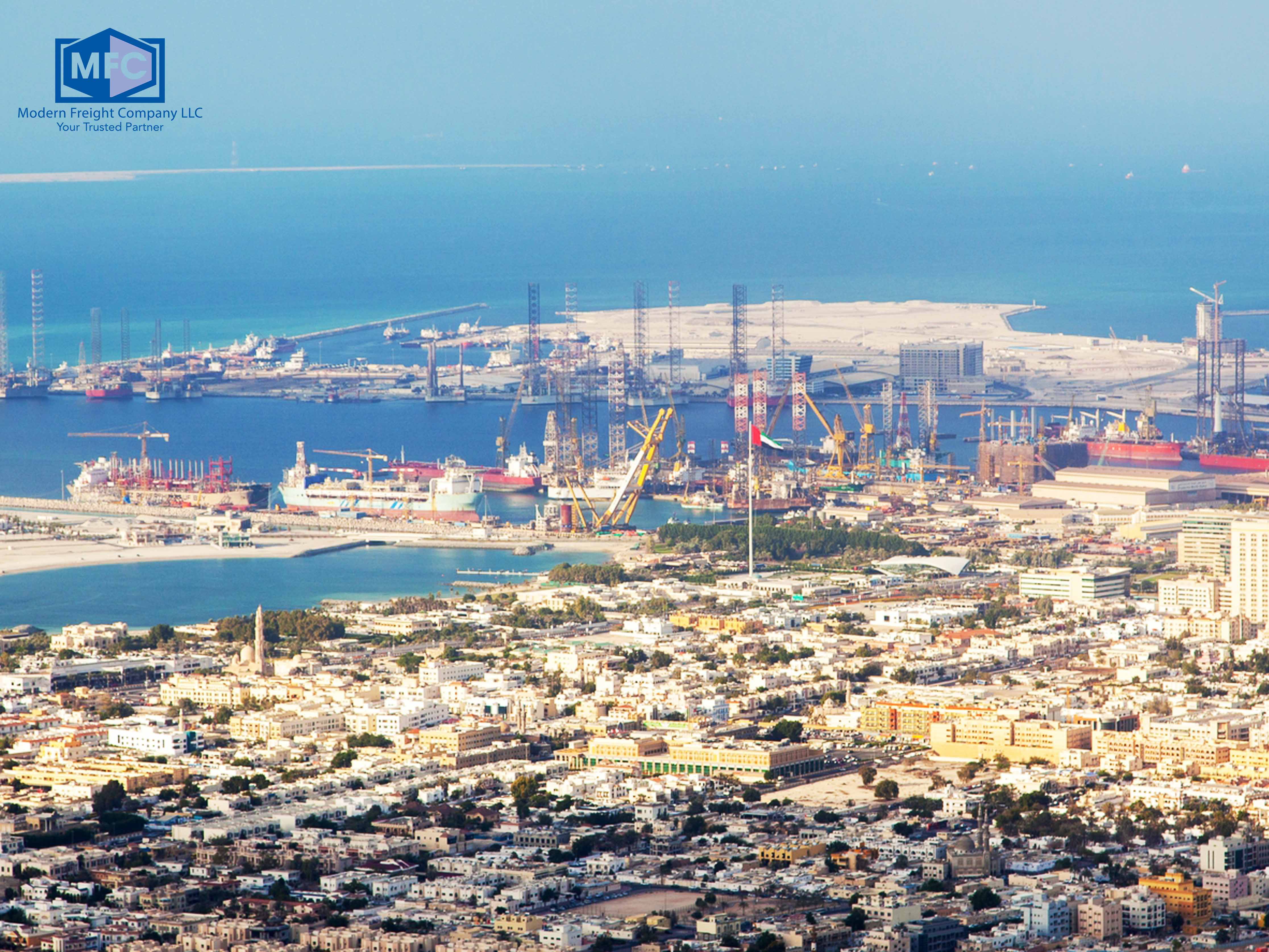
DP World acquires leading US-based supply chain solutions provider - GCC Ports
DP World announces the acquisition of 100 per c...
Know More
Hapag-Lloyd and ONE join Maersk’s blockchain platform
Two of the largest container carriers in the wo...
Know More
Hapag-Lloyd to provide full transparency on vessel arrivals.
With this initiative on schedule reliability, H...
Know More
Just when you think shipping costs can’t go higher, increasing fuel cost are going to push prices up for shippers.
The price of Brent crude topped $72 per barrel ...
Know More
Port of Shenzhen faces severe congestion: container-news.com
The congestion at the Port of Shenzhen, China, ...
Know More
Hapag-Lloyd further expands its container fleet: 60,000 TEU of standard containers ordered- gccports.com
The sharp increase in demand has led to a short...
Know More
Globally, container manufacturing is controlled by three companies. Here is an insight into how this is impacting the global supply chain.
Never before has the humble ocean shipping cont...
Know More
UAE to allow investors full ownership of companies from June 1 - Khaleej Times
The landmark reform was originally slated to ro...
Know More
Logistics Passport: A game-changer for Dubai trade.
The WLP will be playing an instrumental role in...
Know More
Desperate shippers swallow contract rates at double 2020 Levels - container-news.com
Early indications from the annual contract nego...
Know More
Volatility in the shipping market likely to continue till Q4 - Sea Trade Maritime News
In a trading update for Q1 2021 Maersk signific...
Know More
UAE economy performs better than expected, on track towards recovery in 2021 - Khaleej Times
The UAE economy performed better than expected ...
Know More
2020 – A year of remarkable turnaround for container shipping
Due to the change in shopper behavior during th...
Know More
2021 Trends In Retail Automation And Store Supply Chains
Some container vessels have been sailing from A...
Know More
Container shortages the biggest disrupter: where are all the empty boxes?
Some container vessels have been sailing from A...
Know More